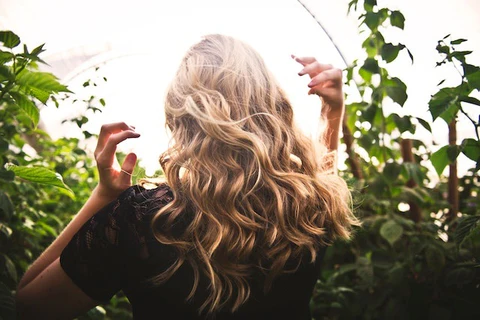
Hair is a vital part of our identity, representing much more than just a strand of keratin. From the way it grows to its texture, color, and volume, it reflects our uniqueness. While most of us are familiar with the common hair types—straight, wavy, curly, and coily—there exists a rare category of hair that remains largely unnoticed by the general population: the rarest hair type. But what exactly is the rarest hair type, and why is it so special?
In this blog post, we’ll take an in-depth look at the characteristics, genetics, and fascinating facts about the rarest hair type. Whether you’re a curious reader or someone with this elusive hair type, read on to uncover the mysteries behind it.


What is the Rarest Hair Type?
The world of hair is incredibly diverse, with people sporting a variety of textures ranging from straight to coily. But when we talk about the rarest hair type, we’re referring to a specific category that combines both texture and rarity. Some might say the rarest hair type is the straight hair with a very fine texture, while others argue that the rarest hair is the curly or coily type in people with specific genetic backgrounds, such as those of Asian or Native American descent. But what makes a hair type rare?
At its core, the rarest hair type is one that stands out due to a combination of genetics, geographic location, and ethnicity. There are various factors that can determine hair texture, including the shape of the hair follicle, the amount of natural oils produced, and, of course, the genes we inherit. While the most common hair types are seen all over the world, the rarest types are often confined to specific groups of people or even individuals.
The Genetics Behind the Rarest Hair Type
Understanding why certain hair types are rare begins with genetics. Our hair type is determined by the shape of the hair follicle, which in turn controls how the hair grows out of the scalp. A round follicle produces straight hair, while an oval follicle creates wavy or curly hair. For those with a coiled or tightly curled hair type, the follicle tends to be more elliptical, producing spirals and corkscrew-like strands.
But beyond the shape of the follicle, genetics play a major role in influencing hair density, texture, and even color. Genes from both parents influence a person’s hair type, with certain combinations leading to more unique hair textures. When it comes to rare hair types, it often involves a special genetic trait or mutation that leads to an extreme or uncommon result.
For instance, some people of East Asian descent might have the rare combination of straight, fine hair that is also thick and abundant. In contrast, some African and Caribbean individuals might have tightly coiled hair that is so fine and delicate it can’t be compared to the typical coarser coily hair found in the majority of people of African descent.
Understanding the genetics behind these rare hair types gives us an appreciation for just how diverse our hair can be. These genetic factors don’t just contribute to hair texture but also determine how it reacts to the environment, styling, and even products.
Factors That Contribute to Hair Type Rarity
While genetics are the primary determinant of hair type, other factors can also contribute to the rarity of certain types of hair. Climate, geography, and ethnicity often interact to create hair textures that are rare in certain populations.
Ethnicity and Geography
Some hair types are rare because they are found only in certain ethnic groups or geographical locations. For example, people with East Asian descent often have straight, fine hair that is abundant and thick. This texture is relatively rare in other ethnic groups, making it a distinct and sought-after feature in the global hair care market.
Similarly, people from the Mediterranean region often have thick, wavy hair, which is less common in regions with colder climates. This regional variation in hair texture can make certain hair types rare and unique to a particular group.
Climate and Environmental Factors
The environment in which we live also plays a role in shaping hair type. For instance, people living in humid climates tend to have hair that’s more prone to frizz and volume, whereas those in drier climates may have finer or straighter hair. These environmental influences can contribute to the prevalence or rarity of specific hair types in a given population.
Moreover, exposure to sunlight, changes in diet, and overall lifestyle can also affect the appearance of hair. For example, rare hair types such as silver or platinum blonde hair tend to be more prevalent among people of Northern European descent, particularly those living in cooler, sunless regions.
The Different Rarest Hair Types Around the World
While there are many rare hair types, here are some of the most notable examples of rare hair types around the world:
1. Silver or Platinum Blonde Hair
Though rare globally, individuals with natural platinum blonde hair have a striking and highly unique appearance. These individuals are usually of Northern or Eastern European descent, particularly those with Scandinavian roots. The genetic mutation that causes the lack of pigment in the hair, leading to platinum blonde hair, makes it incredibly rare.
2. Red Hair
Red hair is another rare hair color, especially when combined with other hair textures like fine or curly. Less than 2% of the global population has natural red hair. Redheads typically possess a unique genetic mutation that affects the MC1R gene, responsible for producing the pigment pheomelanin, which gives the hair its distinct red hue.
3. White or Silver Curly Hair
Curly hair is already unique, but when combined with the silver or white hues of aging, it becomes even rarer. Individuals with naturally curly hair that turns silver or white early in life are incredibly uncommon. This often occurs due to a mix of genetics and aging factors, which leads to the combination of curly texture and the absence of melanin.
4. Wavy, Thick Hair in East Asians
While many East Asians are known for having straight hair, there is a smaller group of people with thick, wavy hair. This unique combination makes their hair rare in the region, as it contrasts with the traditionally straight, fine texture that is more common among East Asian populations.
5. Coily, Fine Hair
Although tightly coiled hair is common among people of African descent, coily hair that is exceptionally fine—so fine it can almost appear fragile—is considered rare. This type of hair is often seen in individuals with mixed heritage or in those with rare genetic mutations. It tends to require special care to maintain its delicate texture.
Why the Rarest Hair Type Is Special
The rarest hair types are special for many reasons. They stand out in a crowd and often attract admiration for their uniqueness. People with rare hair types often face challenges in caring for and maintaining their hair. Special hair care products, techniques, and styles are often necessary to keep rare hair types healthy and vibrant.
Beyond the physical appearance, rare hair types often become a source of pride for individuals. These unique traits can be markers of ancestry and heritage, connecting individuals to their roots and history. Additionally, having a rare hair type can lead to a sense of individuality and self-expression.
Conclusion
Hair is one of the most visible and personal features we have, and the rarest hair types remind us of the beauty and diversity found within the human experience. Whether it’s the natural silkiness of straight, fine hair or the exquisite coils of rare, fine-textured curly hair, these rare hair types tell a story of genetics, environment, and personal identity.
Understanding and appreciating these rare types of hair allows us to celebrate the uniqueness of human biology. So, if you’re someone lucky enough to possess one of the rarest hair types, remember that your hair is not just a part of your appearance—it’s a symbol of your individuality.
FAQ
1. What is the rarest hair type?
The rarest hair type can refer to several textures, but some of the rarest include platinum blonde hair, red hair, white or silver curly hair, and coily, fine hair.
2. Is red hair really rare?
Yes, only about 2% of the world’s population has natural red hair, making it one of the rarest hair colors globally.
3. Can someone have fine, coily hair?
Yes, while coily hair is typically thick, some people have fine, coiled hair, which is considered extremely rare and unique.
4. What causes someone to have the rarest hair type?
The rarest hair types are often caused by unique genetic traits or mutations passed down from parents, which influence the shape of the hair follicle and pigmentation.
5. How do I take care of rare hair types?
Taking care of rare hair types often involves using specific products tailored to your hair’s texture and needs, whether it’s for fine, curly, or straight hair. Always prioritize hydration and gentle care to maintain its health.